

Matt Ambrose (@mambrose97)
Sports are undoubtedly one of the most popular mediums in today’s society. The various ways in which people take in sports has changed over the years. Nowadays, it isn’t just about how you watch sports, but also why you watch sports.
The “how” can be answered simply, with live sports available on televisions, laptops, smartphones, etc. However, many people wonder “why” do people watch sports. There are those who watch it just for the pure interest of the game or a team, but there are alterior motives to watching games.
One such motive is sports betting, something that has been an ongoing underground staple of the sports world for several decades. In the past, individuals wishing to bet on sports had limited options: get your own bookie, use an off-shore website, or go to Nevada, which used to be the only state which offered legalized sports wagering.
Now, this has changed, due to the Professional and Amateur Sports Protection Act, or the PASPA Act, being overturned in a landmark decision that came across in May. This ruling left it up to the states to decide whether or not to legalize sports betting.
“The legalization of sports gambling requires an important policy choice, but the choice is not ours to make,” the statement from the Supreme Court read. “Congress can regulate sports gambling directly, but if it elects not to do so, each State is free to act on its own.”
This decision came at the tail end of a long process that began all the way back in 1991, when the PASPA Act was introduced to Congress. The bill was sponsored by Arizona Senator Dennis DeConcini, a democrat that held office from 1977-1994. According to govtrack.us, of DeConcini’s sponsored bills, only about 12 percent of them consisted of crime and law enforcement, which is what the PAPSA bill would fall under.
Once PAPSA was in place, outlawing sports betting in all states but Nevada, the western state saw its sports betting market hit an all-time high at the time, collecting over $2 billion in wagers. This led President Bill Clinton to start a commission in 1996 to study sports betting and its effects on society and the economy.
At first, there was not much pushback on the state level for PASPA, and it largely remained a non-discussed law. Many looked at the negatives that legalized sports gambling could lead to, including an increased risk of gambling addiction when the sports aspect is introduced to the gambling world.
That was until 2007, when former New Jersey assemblyman Raul Garcia is arrested in connection to a sports betting operation. Charges did eventually get dropped, but this is what began the state of New Jersey’s push towards being at the forefront of the rebellion against the PASPA Act.
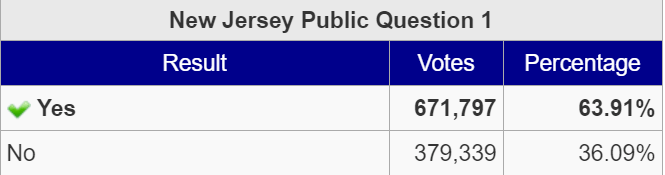
On Election Day in 2011, a question was posed to New Jersey residents as to whether or not they would support legalized sports betting in the state. The question received a resounding yes from voters, helping continue the upward trend of legalized sports betting support in New Jersey.
Then, in 2012 and again in 2014, New Jersey Governor Chris Christie signed legislation that would allow legalized sports betting at horse tracks and casinos in the state. On both occasions, professional sports leagues sue Christie. After Christie signed the 2012 legislation, the Supreme Court declined to hear New Jersey’s appeal, however things went differently in 2017 when the Supreme Court decided to accept the case.
It was in December of 2017 that the Supreme Court heard the pleas from both sides, the state of New Jersey and the professional sports leagues. Five months later, the decision came down to make sports betting federally legal, allowing the states to determine whether they wish to legalize it or not.
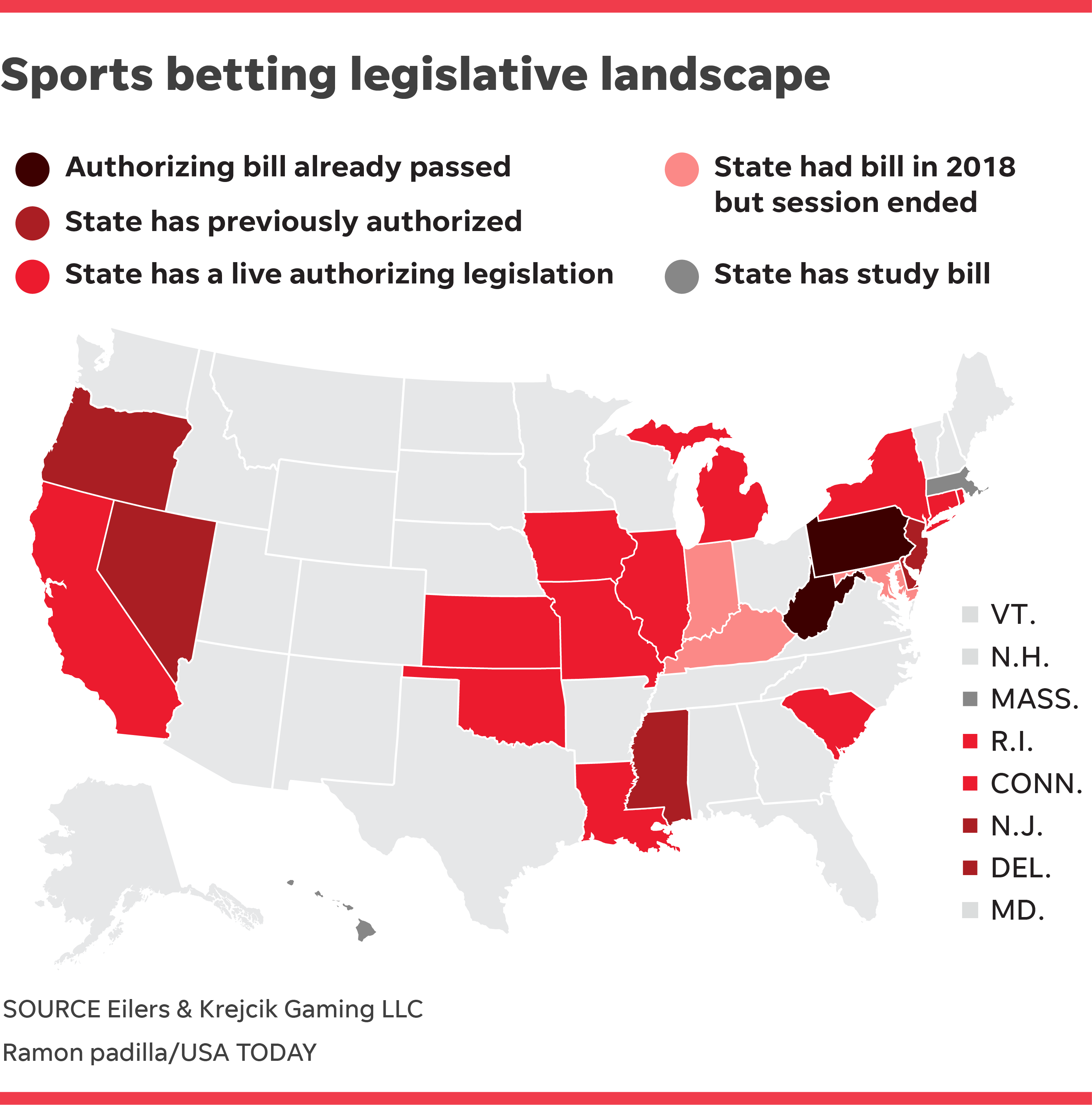
As of today, seven U.S. states, New Jersey, Delaware, Pennsylvania, West Virginia, Mississippi, New Mexico and Nevada, allow legalized sports gambling, with several more states working on bills to create sportsbooks in their states. New York, Rhode Island and Arkansas have had bills passed on legalized sports betting, and are expected to have sportsbooks up and running within the next few months.
Setting up these sportsbooks is no easy feat. Finding ways to get local state politicians on board with these bills is hard work, and when the PASPA Act was declared unconstitutional back in May, it was known then that this was just the beginning of a long process. Nonetheless, with seven states featuring live legal sports betting, and three more soon to follow, the U.S. will have at least 10 active legal sportsbooks within a year of the PASPA Act being overruled.
With states recognizing the benefits of local sportsbooks, more states are expected to hop on the bandwagon and rake in the revenue that comes with these perks.
 SHU Sports Focus
Leave a comment